

Introduction to Text to Video AI Generators
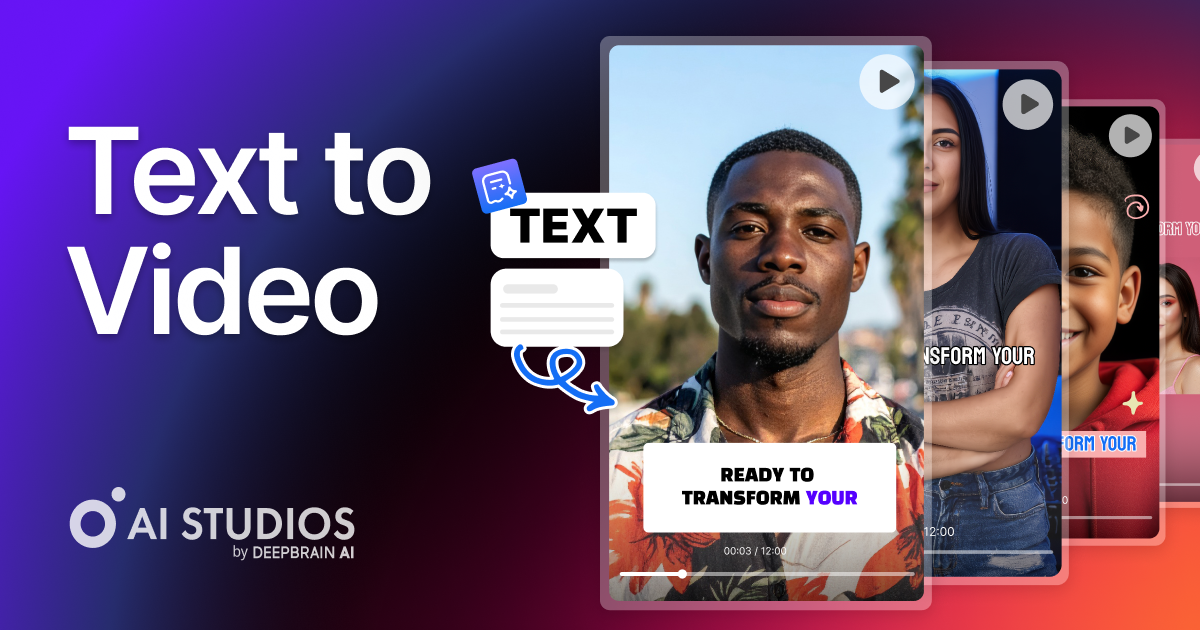
Text to video AI generators represent a transformative approach in the field of content creation, enabling users to convert textual information into engaging video content efficiently. These innovative tools leverage advanced artificial intelligence algorithms to analyze written text and generate visual representations, often including images, animations, and voiceovers that align with the narrative of the provided text.
The technology behind text to video AI generators is rooted in natural language processing (NLP) and computer vision. NLP allows the AI to understand the context and sentiment behind the text, while computer vision technologies facilitate the selection and integration of compelling visuals. As a result, these generators can produce coherent and visually appealing videos that effectively convey the intended message.
Historically, content creation has evolved from traditional text-based formats to multimedia approaches, as content creators seek ways to engage viewers more dynamically. The rise of video content, particularly short-form videos, has been notably significant in recent years; statistics reveal that videos are increasingly preferred for communication across digital platforms. This shift has sparked a surge in demand for efficient content production methods, making text to video AI generators invaluable.
The significance of these generators in the content landscape cannot be overstated. Not only do they democratize video production, allowing individuals and small businesses to create high-quality video content without extensive resources, but they also enhance the speed of content creation. In an era where attention spans are shrinking and the competition for consumer engagement is fierce, leveraging AI technology in video production can lead to more impactful storytelling and increased reach on various platforms.
How Text to Video AI Generators Work
Text to video AI generators revolutionize content creation by leveraging advanced technologies such as natural language processing (NLP), machine learning, and specialized algorithms to transform written text into engaging video content. These tools enable users to create impactful videos from simple scripts, making video content generation more accessible.
At the core of these generators, natural language processing functions to analyze the input text and understand its meaning. NLP deciphers context, sentiments, and keywords within the text, allowing the generator to identify the most relevant content for video adaptation. This understanding is critical as it facilitates the creation of a cohesive narrative that aligns with the user’s initial intentions.
Following this stage, machine learning plays a crucial role. By utilizing large datasets containing various video clips, images, and sounds, the AI algorithms learn to match visual and auditory elements with the textual content. This learning process enhances the generator’s ability to select appropriate multimedia components that correspond to the mood and themes of the provided text.
Once the AI has processed the input, the final step involves generating the video. The algorithms piece together the selected visuals, animations, and soundtracks, synchronizing them with the text’s flow and tone. Popular tools in the market, such as Lumen5 and InVideo, exemplify these capabilities, enabling users to create stunning videos with minimal effort. Their user-friendly interfaces often allow customization options, catering to specific audience needs and preferences.
As a result, text to video AI generators not only facilitate quicker content creation but also democratize video production, enabling individuals and businesses to produce high-quality videos without needing extensive technical skills.
Benefits of Using Text to Video AI Generators
Text to video AI generators have revolutionized the way content is created, offering numerous advantages that are reshaping the landscape of video production. One of the most significant benefits is time efficiency. Traditional video creation often requires extensive planning, scripting, filming, and editing, which can take days or even weeks. In contrast, AI generators can transform written content into engaging videos within minutes, streamlining the entire production process.
Cost-effectiveness is another compelling reason for businesses to adopt text to video AI generators. Typically, hiring video production teams incurs high costs, including labor, equipment, and location expenses. By utilizing AI technology, businesses can minimize these costs while still producing high-quality video content. This affordability allows even small organizations to create professional-grade videos that can enhance their marketing efforts.
Scalability is crucial for businesses looking to increase their video output without compromising quality. Text to video AI generators allow companies to produce a large volume of videos efficiently. For instance, a marketing team can create multiple promotional videos based on different texts or themes by simply adjusting parameters or inputting new scripts. This scalability provides businesses with the flexibility to respond quickly to market trends or campaigns.
Moreover, the incorporation of AI in video production can significantly boost creativity. Many AI generators come with various templates, design options, and customizable elements that can inspire creators. For example, businesses might use these tools to generate visually appealing videos that incorporate unique styles or animations, which would be more challenging to achieve manually. Real-world examples, such as the rapid video campaigns seen from companies like HubSpot and Canva, demonstrate how these advantages can lead to viral content, reaching wider audiences with minimal effort.
Creating Engaging Short Videos for Viral Success
The advent of text to video AI generators has revolutionized the way we create and consume short videos, particularly those aimed at achieving viral success. To craft videos that capture attention and resonate with audiences, several essential elements must be considered. At the heart of any engaging content is a compelling story. A well-structured narrative not only informs but also captivates viewers, encouraging shares and discussions. This narrative should invoke curiosity right from the beginning, enticing viewers to continue watching.
Visual appeal is a critical factor in short video creation. High-quality graphics, dynamic animations, and thoughtful editing can significantly enhance a video’s overall impact. In an age where visual content reigns supreme, utilizing vibrant colors and striking imagery will help to draw in viewers. Leveraging AI technology can further augment visual storytelling, offering elements that might otherwise be limited by resource constraints.
Additionally, establishing an emotional connection with the audience is crucial. Videos that evoke emotions—whether humor, nostalgia, or empathy—tend to be more shareable. This emotional resonance encourages viewers to engage with the content, motivating them to share it with others, thus increasing the likelihood of going viral.
Keeping an ear to the ground for emerging trends is another strategy that can influence viral potential. Monitoring social media platforms for popular themes or challenges can guide content creation efforts, ensuring videos remain relevant and relatable. Incorporating trending hashtags and audio clips can connect your video with larger conversations, enhancing visibility.
Lastly, understanding audience insights is invaluable when creating short videos. Tailoring content to meet the preferences and interests of your target demographic can significantly increase viewer engagement. By being mindful of these essential elements—storytelling, visual appeal, emotional connection, trend awareness, and audience insights—content creators can harness the power of text to video AI to craft videos poised for viral success.
Popular Applications of Text to Video AI Generators
Text to video AI generators are rapidly gaining traction across various sectors, directly impacting content creation and consumption. These technologies have become indispensable tools, fostering creativity and efficiency in producing engaging videos. One of the most significant applications is in marketing, where businesses utilize these generators to create promotional content swiftly. They can transform marketing copy into compelling video ads that capture users’ attention more effectively than static images.
In the realm of social media, text to video AI generators have enabled users and brands to produce viral short videos with minimal effort. Platforms such as TikTok and Instagram are particularly suited for this, as they thrive on visually appealing content that conveys messages quickly. Marketers leverage these generators to create captivating reels or shorts that resonate with audiences and align with current trends, thus improving engagement rates.
Education is another field where text to video generators are making a considerable impact. Educators can turn lesson plans or articles into animated video summaries, making complex topics more accessible and engaging for students. For instance, tutorials and training videos can be generated that emphasize key points, enhancing comprehension and retention of information.
Furthermore, the entertainment industry has also begun integrating these tools to streamline content production. From creating trailers for films to summarizing episodes of television shows, text to video AI offers creative possibilities that allow for rapid content turnover. Case studies showcasing how popular streaming services employ these technologies illustrate their potential to reach wider audiences and engage viewers more effectively.
Challenges and Limitations of Text to Video AI Generators
The rise of text to video AI generators presents numerous advantages in content creation; however, it is crucial to address the challenges and limitations that accompany their use. One major obstacle is the quality of output. While these advanced systems can create videos rapidly, the quality can vary significantly depending on the algorithms employed by the generator. Often, discrepancies in voice clarity and visual coherence can hinder audience engagement, creating a necessity for manual post-editing to ensure an acceptable standard.
Moreover, the potential for misinformation cannot be overlooked. As these generators rely heavily on large datasets to function effectively, there exists a risk of perpetuating inaccuracies. If the underlying data includes bias or erroneous information, the resultant videos may inadvertently contribute to misinformation. This risk necessitates vigilant oversight to verify that the generated content is both factually accurate and ethically sound.
Ethical considerations also play a significant role in the deployment of text to video AI generators. With the ease of creating videos, there is a greater potential for misuse, such as the generation of deepfakes or misleading representations of events. Ensuring that these technologies are used responsibly is imperative for maintaining trust in digital content. Furthermore, the dependency on high-quality input underscores a limitation in the use of these systems; the effectiveness of the AI heavily relies on the data it is trained on. If the input text lacks clarity or depth, the video output may similarly suffer, limiting the overall impact of the content.
In light of these challenges, it is essential for content creators to navigate the use of text to video AI generators with caution, prioritizing quality, accuracy, and ethical considerations throughout the content creation process.
Future Trends in Text to Video AI Generation
The landscape of content creation is undergoing a radical transformation, primarily driven by advancements in artificial intelligence (AI). As we venture further into the realm of text to video AI generators, several emerging trends are anticipated to shape the future. One significant trend is the continuous enhancement of natural language processing (NLP) technologies, which facilitate a more intuitive translation of textual input into engaging video narratives. As these AI models evolve, they will increasingly understand context, tone, and intent, allowing creators to generate videos that resonate more deeply with audience preferences.
Moreover, user preferences are changing rapidly, with a growing demand for customized and interactive content. Future text to video AI generators are likely to incorporate user-driven customization features, enabling individuals to set parameters such as style, mood, or target audience. This personalization will not only improve user satisfaction but also increase the likelihood of viral outreach, as audiences are more inclined to share content that reflects their ideologies and preferences.
Integration with other media forms represents another key trend on the horizon. For instance, the amalgamation of augmented reality (AR) and virtual reality (VR) with text to video generation could lead to immersive storytelling experiences. Content creators will be able to offer viewers an interactive journey, blurring the lines between the traditional video format and experiential media. Furthermore, as social media platforms continue to evolve, they may adapt their algorithms to prioritize engaging video content, pushing creators to leverage these AI tools for maximal visibility.
With these advancements, the future of video content is poised for dramatic change. Text to video AI generation not only promises efficiency and speed but also heralds greater creativity in video production. As technologies continue to advance, the potential for these AI tools to shape the landscape of digital media remains immense.
Getting Started with Text to Video AI Generators
Venturing into the realm of text to video AI generators can be both exciting and daunting. To begin leveraging this innovative technology for creating viral short videos, follow a structured approach. Firstly, selecting the right AI tool is crucial. Numerous platforms exist, each offering unique features and capabilities tailored to different needs. Popular options such as Synthesia and InVideo provide user-friendly interfaces and robust functionalities, making them suitable for beginners. Research to identify the one that best fits your project requirements.
Once you have chosen a tool, the next step is to optimize your input text. The clarity and conciseness of your script significantly influence the quality of the generated video. Aim to articulate your message in a direct and engaging manner. Break down complex ideas into simpler segments, using bullet points or numbered lists when necessary, which aids in structuring the content effectively.
As you prepare your text, consider incorporating visually appealing elements. Use rich keywords that resonate with your target audience and reinforce your narrative. This will not only enhance engagement but will also contribute to better search engine visibility once you share your finished video on various platforms.
After creating your video, focus on sharing it strategically. Utilize social media channels like Instagram, TikTok, and YouTube, which are ideal for short, captivating content. Optimize your video titles and descriptions with relevant keywords to increase discoverability. Engage with your audience through comments and shares, as interaction can significantly boost your video’s reach.
This systematic approach ensures that you are well-equipped to utilize text to video AI generators effectively, making the most of this technology to generate compelling visual content.
Conclusion: Embracing the Future of Video Content Creation
As we move further into the digital age, the importance of visual content cannot be overstated. Text to video AI generators have emerged as a transformative tool in the realm of content creation, proving to be indispensable for marketers, educators, and creators alike. These advanced technologies allow for the seamless conversion of written material into engaging visual narratives, which can significantly enhance audience engagement and retention.
The shift towards video content is not just a trend; it represents a fundamental change in how stories are told and consumed. With the proliferation of social media platforms and the growing demand for quick, digestible content, the ability to transform textual information into captivating videos has become a strategic advantage. Creating viral short videos from textual content enables creators to reach wider audiences and foster deeper connections with their viewers.
Incorporating text to video AI generators into content creation strategies can streamline workflows, save time, and reduce costs, allowing content creators to focus on the creative aspects of their work. With these tools, complex ideas can be distilled into powerful visual stories that resonate with audiences across various demographics. As storytelling evolves, so must the tools we use to convey our messages.
In conclusion, embracing text to video AI technology is essential for anyone looking to thrive in the competitive landscape of content creation. By harnessing these innovative tools, creators not only enhance their storytelling capabilities but also position themselves at the forefront of a rapidly changing digital environment. This approach will undoubtedly pave the way for richer engagement and more impactful content in the years to come.